


California’s New Tire Efficiency Law: What It Really Means for Off‑Roaders
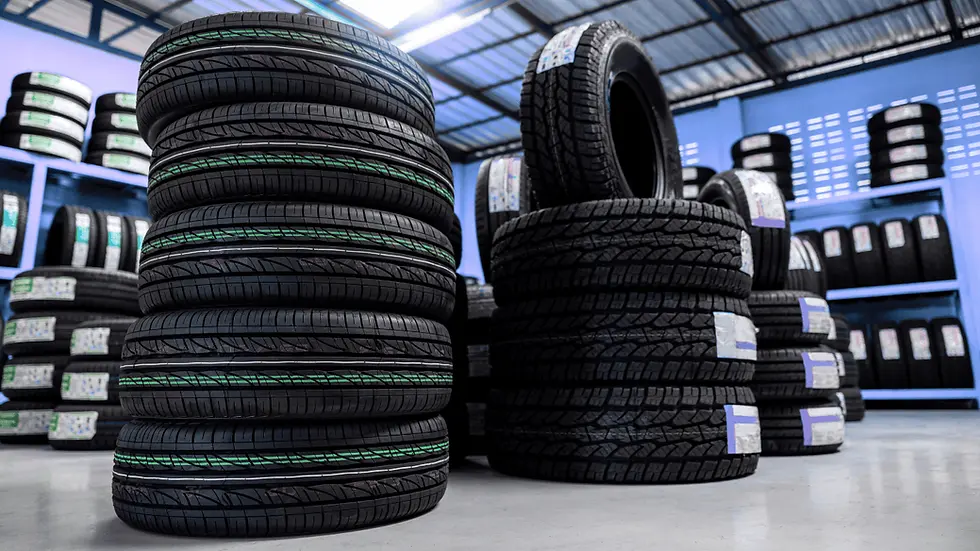
California just pushed through the country’s first tire‑efficiency regulations, and after digging into the fine print, I can tell you this: it’s going to be easier to buy a 37-inch mud‑terrain tire in California than a 31-inch all‑terrain. That’s not an exaggeration — that’s exactly how the law is written.
The California Energy Commission (CEC) unanimously approved rules that will phase out replacement tires that don’t meet new rolling‑resistance efficiency standards. On paper, it’s framed as a consumer‑protection move. In reality, it’s a structural shift that will hit everyday off‑roaders far harder than the hardcore crowd.
And if you think this stops at California, give it ten years. This kind of regulation spreads.
Why California Says They’re Doing This
David Hochschild, chairman of the CEC, claims that California’s New Tire Efficiency Law goal is simple:
“This is ultimately about protecting consumers… sheltering the public from higher cost in the long run.”
But the tire industry isn’t buying it.
Brett Gladfelty, speaking for Goodyear, told the Commission that the rules will increase costs for consumers, and that the Commission hasn’t resolved major technical and legal issues. He warned that up to 70% of tires currently sold in California would be eliminated under these standards.
Two completely different narratives — and it’s up to consumers to decide who’s telling the truth.
The CEC estimates high‑efficiency tires will cost $6.50 more per tire by phase two. Gladfelty says the real increase could be hundreds of dollars.
How the Law Measures California’s New Tire Efficiency Law
The entire regulation revolves around rolling resistance - how much energy a tire consumes as it rolls. Lower rolling resistance equals better fuel economy.
California is setting a minimum threshold. Anything below it gets banned.
Phase 1: Initial threshold
Phase 2 (four years later): Stricter threshold
Behind the scenes, the Japanese Automobile Tire Manufacturer Association has been fighting for off‑roaders, warning the CEC about the consequences of these thresholds. They deserve credit - without them, this law would’ve been far worse.

The Exemptions — And Why They’re So Strange
This is where the law goes from “strict” to “borderline bizarre.” The exemptions aren’t just odd - they reveal how rushed and poorly targeted the regulation is.
1. Large Off‑Road Tire Exemption
The idea was to protect “specialty off‑road tires,” but the cutoff they chose (34.5 inches) doesn’t match the real off‑road market. It’s a number that looks scientific but has no engineering basis. It’s arbitrary.
If you’re running 35s or bigger, you’re exempt. If you’re running anything smaller, you’re not.
That means a guy on 40s cruising down I‑5 is exempt, while a guy on 32s in a Land Cruiser is forced into strict efficiency standards. It’s honestly backwards.
2. Deep Tread Exemption
Any tire with 18/32” tread depth or deeper is exempt. This exemption contradicts the entire purpose of the regulation. Deep tread increases rolling resistance - yet deep‑tread tires are exempt.
Why?
Because the CEC didn’t want to fight the agricultural and forestry industries. This is one of the most interesting carve‑outs - and it creates a loophole that flips the law on its head.
3. Limited Production Exemption
This is a political carve‑out. Small manufacturers argued they’d be wiped out, so the CEC gave them a pass. It has nothing to do with efficiency.
4. Light Truck Commercial Exemption
This one makes sense - commercial trucks need durability more than efficiency. But it also exposes the flaw: if durability matters for commercial vehicles, why doesn’t it matter for everyday drivers?
The Real Problem: All‑Terrains Get Hit the Hardest
Most off‑roaders in America run 33x12.50 all‑terrains. They’re quiet, fuel‑efficient, long‑lasting, and capable enough for most terrain.
But here’s the issue:
Almost no all‑terrain tire meets the rolling‑resistance threshold.
So if you’re running a 33” all‑terrain in California, you may not be able to replace it in a few years. Your options become:
Upsize to 35s
Switch to a more aggressive 33” mud‑terrain
Both options are less fuel‑efficient, which is the exact opposite of what the CEC claims they’re trying to achieve. This law unintentionally pushes people toward bigger, heavier, less efficient tires.

This Will Hurt California Tire Shops
This regulation doesn’t just affect consumers — it affects the entire tire ecosystem:
Manufacturers will have to redesign dozens of SKUs or abandon the California market.
Distributors will have to maintain separate inventories for California vs. the rest of the country.
Shops will lose sales to neighboring states.
Consumers will face higher prices and fewer choices.
And here’s the kicker: California is a massive market. When California forces manufacturers to change products, those changes often spill into national inventory. That means this regulation could reshape tire availability across the entire U.S. within a decade.
So if you live two or three hours from Nevada or Oregon, you’re going to drive out of state to buy the tires you want. People buy tires every 4–5 years - they’ll make the trip. That’s going to hurt California tire shops. There’s no scenario where it doesn’t.

The Enforcement Problem Nobody Is Talking About
CEC members openly stated that the regulation is designed to “evolve.” Translation: the exemptions off‑roaders are celebrating today will likely be tightened or removed later. They’re rolling this out in phases, and once it’s established, they’ll close the loopholes.
California already struggles to enforce existing vehicle regulations - smog checks, modified exhaust laws, and off‑road equipment rules. Adding tire compliance to the list creates a new enforcement burden that the state isn’t prepared for.
How do you enforce rolling resistance?
roadside inspections?
tire shop audits?
registration checks?
random compliance sweeps?
None of these are realistic. So the burden falls on tire shops, who must refuse sales or risk penalties. That’s why shops near state borders will lose business - customers will simply go elsewhere.
The Unintended Safety Consequences
This is the part the CEC doesn’t want to talk about.
When you restrict tire options, you restrict:
braking performance
wet traction
snow capability
puncture resistance
sidewall strength
Rolling resistance is inversely related to grip. Lower resistance often means harder compounds and shallower tread — both of which reduce safety in real‑world driving.
It is deeply our opinion that California is prioritizing laboratory efficiency over real‑world safety.
Where This Leaves Off‑Roaders
This law has changed dramatically over the last few months - originally there were no exemptions, now there are several. But the direction is clear: California is pushing toward strict tire‑efficiency standards, and off‑roaders are collateral damage.
Even if you never leave pavement, this regulation affects you. This regulation hits the most versatile tire category in America - not niche mud‑terrains.
All‑terrains aren’t just off‑road tires - they’re used by:
contractors
rural drivers
mountain commuters
people who tow
people who drive in snow
anyone who needs durability
If you’re in California and you oppose this, you’ll need to get politically active. Write your representatives. Support industry groups pushing back. The speaker in the original transcript admits they’re not politically savvy enough to guide people, but if someone posts actionable steps, they’ll pin it.
Final Thoughts
California’s tire‑efficiency regulation is a perfect example of a policy that looks clean in a press release but falls apart under real‑world scrutiny. It’s going to reshape the tire market, limit consumer choice, increase costs, and push drivers toward bigger, heavier, less efficient tires - the exact opposite of what the CEC claims to be solving.
This isn’t just a California issue worth paying attention to, because California rarely stays isolated. What starts there tends to spread. And it’s going to create ripple effects across the industry - tire shops, manufacturers, and consumers.
If you’re an off‑roader, a contractor, a rural driver, or anyone who relies on all‑terrain tires, this is your early warning. Pay attention now - because once these regulations spread, rolling them back will be almost impossible.
For readers who want a deeper look at the regulatory process itself, I’ve added a video below that covers the public hearing. It’s worth watching because it shows how the CEC evaluated rolling‑resistance data, how manufacturers challenged the thresholds, and how exemptions were negotiated. Seeing the exchange firsthand helps clarify why this regulation ended up so fragmented.

12° NORTH INDUSTRIES
Sales: 702.781.0302
Email: sales@12degnorth.com
Website: www.12degnorth.com


Comments